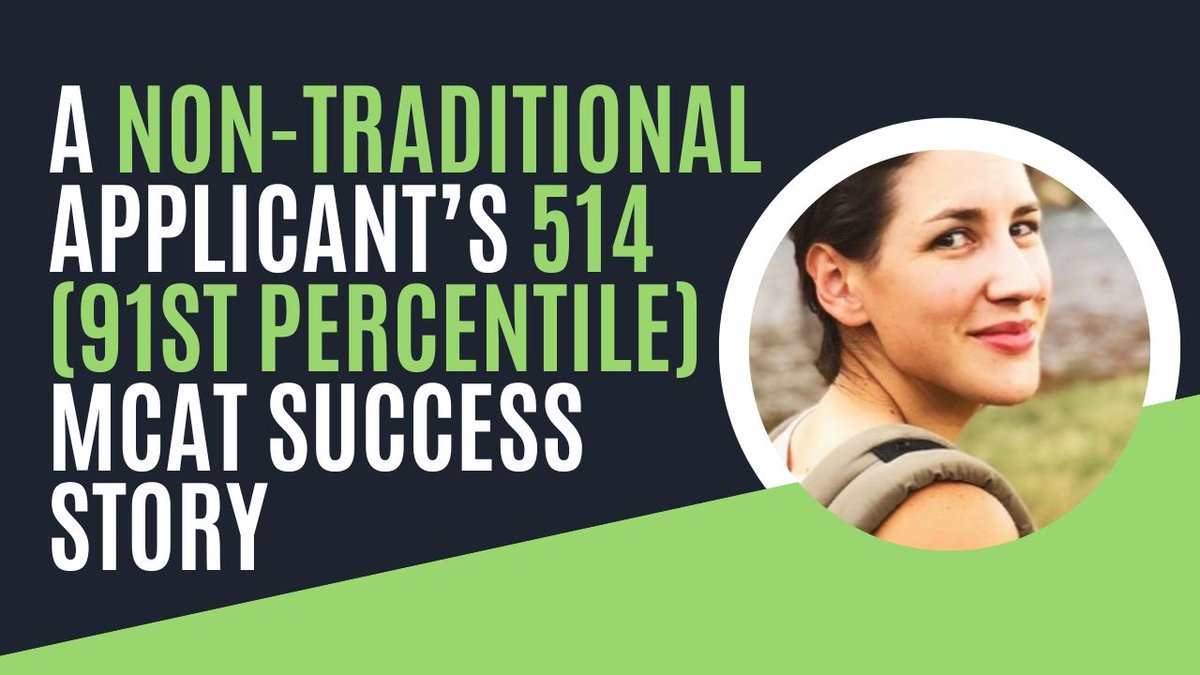
Navigating the MCAT is often described as a marathon, not a sprint, a challenge where mastery of vast scientific concepts is paramount. For countless pre-med students, the journey to a competitive score has been transformed by digital tools, and among them, AnkiHub stands out as a game-changer. It's where Real Student Experiences and Success Stories with AnkiHub for MCAT truly come to life, turning daunting content review into a systematic, achievable process.
This isn't just about memorization; it's about deep understanding and long-term retention—the kind that translates directly to higher scores and confident test-taking. If you're looking to elevate your MCAT preparation, understanding how AnkiHub empowers students is your first, crucial step.
At a Glance: AnkiHub for MCAT Success
- Master Retention: Anki uses spaced repetition to ensure long-term memory of high-yield MCAT content.
- AnKing Deck Power: Access a comprehensive, community-vetted MCAT flashcard deck covering core topics.
- Personalized Learning: Anki adapts to your pace, prioritizing challenging concepts.
- Stay Updated: AnkiHub ensures your AnKing deck is continuously updated by the community, syncing seamlessly.
- Efficient Study: Reduce review time by focusing on what you need to learn most.
- Integrate & Conquer: Combine AnkiHub with practice questions and full-length exams for maximum impact.
The Power Behind the Cards: Understanding Anki for MCAT Prep
Before diving into AnkiHub's specific advantages, it’s essential to grasp the foundation: Anki itself. Anki is a robust spaced repetition software (SRS) designed to help you commit large volumes of information to long-term memory. Think of it as a highly intelligent digital flashcard system that knows precisely when you need to review a piece of information for optimal retention.
Why Spaced Repetition Matters for MCAT
The MCAT requires an encyclopedic knowledge of biology, chemistry, physics, psychology, and sociology. Simply reading textbooks isn't enough; you need active recall and repetition. Anki's algorithm leverages the "forgetting curve," scheduling reviews just as you're about to forget a fact. This method ensures that the information moves from your short-term memory to your long-term memory efficiently, making it ideal for the sheer volume of MCAT content. Students frequently share how Anki transformed their ability to recall intricate pathways and nuanced definitions under pressure, a common hurdle for MCAT aspirants.
Getting Started: Your First Steps with Anki
Embarking on your Anki journey is straightforward. First, you'll need to install Anki by downloading it from its official website. Once installed, create a dedicated MCAT study profile within the application; this keeps your MCAT progress separate and organized. Finally, take some time to explore the interface. Familiarize yourself with the dashboard, how decks are structured, and the card browser. Understanding these basics will empower you to navigate and customize your study environment effectively.
Crafting Flashcards That Stick
Effective flashcards are the backbone of Anki success. It's not just about converting notes; it's about smart design. The key is to chunk information, breaking down complex concepts into small, digestible questions and answers. For particularly difficult details, incorporate mnemonics—memory aids that create associations. Visual learners benefit immensely from adding images, tables, or diagrams to their cards, turning abstract ideas into concrete visuals. The most successful students tailor their cards to emphasize crucial MCAT information and align with their unique learning style, ensuring every card offers maximum recall potential.
Organizing Your MCAT Content for Clarity
With thousands of potential flashcards, organization is paramount. Most students find it effective to create separate decks for each MCAT section (e.g., Biological Sciences, Chemical and Physical Foundations, Psychological, Social, and Biological Foundations). Within these larger decks, use tags to categorize cards into subtopics (e.g., "biochemistry," "physics-kinematics," "sociology-culture"). This meticulous tagging allows for granular control over what you study, making it easy to focus on specific areas or review an entire section. This level of organization is crucial for managing the vast AnKing deck later on.
Strategic Scheduling: Mastering Anki's Algorithm
Anki's power lies in its algorithm, but you need to align your study habits with it. Start by honestly assessing your daily time commitment for Anki; consistency is key. Then, align your schedule with Anki’s review frequency recommendations. The software will tell you which cards are due. The real magic happens with consistency: engage with Anki daily. Skipping days can lead to a backlog of reviews and diminish the benefits of spaced repetition. Students who swear by Anki often highlight the discipline of daily reviews as a cornerstone of their success.
Supercharging Anki: Essential Add-Ons and Customization
Anki's community has developed a wealth of add-ons that can significantly enhance its capabilities and streamline your study process. These are not strictly necessary but can make a big difference.
- Image Occlusion Enhanced: This add-on lets you hide parts of an image, perfect for studying anatomical diagrams, metabolic pathways, or complex charts where you need to recall labels or specific features.
- Speed Focus Mode: If you find yourself overthinking cards, this add-on can automatically show answers or mark cards after a set time, encouraging quick, active recall.
- Frozen Fields: For those creating many new cards, this add-on retains content from previous cards when adding new ones, saving significant time on repetitive entries.
When customizing, select only relevant add-ons that genuinely boost your workflow. Keep your setup simple initially, and always check compatibility with your current Anki version to avoid issues. Many successful students recommend starting with a few high-impact add-ons and gradually adding more as needed.
Fine-Tuning Your Review Strategy: Anki Settings Explained
Anki's default settings are a good starting point, but personalizing them can significantly optimize your learning. You can personalize review settings to match your pace and preferences.
- Review Limits: Set daily limits for new cards and total reviews to prevent burnout. Many students gradually increase these limits as test day approaches.
- Ease Factor Adjustments: These fine-tune the interval modifiers for card spacing. If you find cards are being shown too frequently or not frequently enough, you can adjust these.
- Learning Steps: Configure the time between initial reviews of new material. This helps solidify new information before it enters the spaced repetition cycle.
It's crucial to adapt your settings to your progress. Monitor your performance regularly through Anki's statistics. If you notice specific topics are consistently challenging, tweak settings to review weaknesses more frequently. In the weeks leading up to the MCAT, many students increase their daily review cap for comprehensive coverage, ensuring every high-yield concept is fresh in mind.
Enter AnkiHub: Unlocking the AnKing MCAT Deck
While Anki provides the powerful spaced repetition engine, AnkiHub takes MCAT preparation to an entirely new level by facilitating access to and collaborative updates for the AnKing MCAT Deck.
What is the AnKing MCAT Deck?
The AnKing MCAT Deck is not just any flashcard deck; it's a monumental, collaborative, and constantly updated composite deck. It ingeniously synthesizes content from several widely praised MCAT decks, including MilesDown, Abdullah, Coffin, and MrPankow. This means you're not choosing between popular resources; you're getting the best of all worlds, meticulously organized and refined by a dedicated community. It's managed via AnkiHub, which acts as the syncing and update mechanism. Students who use it often describe it as their "MCAT bible" for content review.
Accessing the Collaborative Powerhouse
To tap into this resource, you'll need a free Anki account, the Anki desktop app installed, and an AnkiHub account. The beauty of AnkiHub is its seamless synchronization. It connects your personal Anki app to the AnKing database, providing ongoing community updates while ingeniously preserving all your personal progress, notes, and customizations. This means you benefit from collective intelligence without losing your individualized learning path.
Who Benefits Most from AnKing AnkiHub? (And Who Might Not)
The AnKing MCAT Deck is incredibly powerful, but it's not a one-size-fits-all solution.
It's for you if:
- You're seeking a main deck that comprehensively covers most tested MCAT content.
- You're comfortable with Anki, community decks, and leveraging tags for organization.
- You have a longer MCAT timeline (ideally 4-6+ months) to work through the massive deck effectively.
- You appreciate the benefits of a collaboratively maintained and updated resource.
It might be overwhelming or less suitable if: - You are completely new to Anki and need to learn the software basics while tackling content.
- You are very close to your test day (less than 2-3 months) and need a more targeted, less comprehensive review.
- You prefer creating all your flashcards from scratch based entirely on your specific resources.
Understanding if AnkiHub membership is worth it often comes down to these considerations. For many, the efficiency and quality of the AnKing deck make it an invaluable investment of time and effort.
Maximizing Your AnKing Experience
Using the AnKing MCAT Deck effectively is more than just downloading it. It's about strategic integration into your study plan.
- Primary Content Retention: Think of AnKing as your main tool for committing foundational knowledge to memory. It's designed to keep information fresh and accessible.
- Topical Unsuspension: Instead of unsuspend all cards at once, selectively unsuspend cards by topic. This approach aligns perfectly with content review books or video lecture series, ensuring you're only reviewing what you've just learned.
- Integrated Study: The AnKing deck is powerful, but it's not a standalone solution. Combine it with full-length exams, question banks (like UWorld or AAMC materials), and a detailed study planner. This multi-pronged approach ensures you apply the knowledge you're retaining.
- Pre-Exam Focus: In the final 4-6 weeks before your MCAT, shift your strategy. Stop aggressively adding new cards. Instead, dedicate your Anki time almost entirely to reviews of due cards and intense focus on practice exams and their detailed explanations. This ensures you solidify existing knowledge and hone your test-taking skills.
- Beyond Memorization: Remember, the deck is a tool for content retention. To truly translate this into score improvement, you must supplement it with passages, practice exams, and robust review habits that emphasize critical thinking and application.
Real Student Successes: How AnkiHub Transforms MCAT Scores
The anecdotal evidence from the pre-med community consistently points to AnkiHub and the AnKing deck as a cornerstone of high MCAT scores. Students frequently share how it addresses key pain points in MCAT prep.
From Overwhelmed to Organized: The Clarity Benefit
Many students initially feel swamped by the sheer volume of MCAT material. The AnKing deck, with its meticulous tagging and comprehensive nature, provides an unparalleled structure. Students often report that the deck brings order to chaos, giving them a clear path through content review. "I used to spend hours just trying to figure out what to study next," one user shared, "but AnKing organized everything by topic, letting me focus purely on learning." This organizational clarity directly reduces anxiety and increases study efficiency.
Retention Beyond Rote: Long-Term Memory for Complex Topics
The MCAT isn't about short-term memorization; it's about deep understanding and recall of interlinked concepts. Anki's spaced repetition, coupled with the AnKing deck's well-formulated cards, fosters this. Students frequently highlight their ability to recall complex metabolic pathways, intricate physics formulas, and nuanced sociological theories weeks or months after initial study—a stark contrast to traditional methods. This long-term retention is a direct contributor to confidence on test day.
Efficiency Amplified: Saving Time, Gaining Knowledge
Time is a precious commodity for pre-meds. AnkiHub's constant updates mean students aren't wasting time creating thousands of cards from scratch or fixing errors. This communal effort allows them to dedicate more hours to active learning and practice. "AnkiHub saved me hundreds of hours," a successful test-taker recounted. "Instead of making cards, I was doing them, and that's where the real learning happens." This efficiency allows for deeper engagement with challenging concepts, leading to higher knowledge gains per study hour.
Adaptability & Community: Learning Never Stops
The dynamic nature of the AnKing deck, updated via AnkiHub, means it evolves with the MCAT and community feedback. This adaptability is a huge comfort to students, knowing their resources are current and robust. Moreover, the sense of community around AnkiHub—where users contribute and refine content—fosters a shared success model. It’s a testament to collaborative learning, where thousands of students collectively build a better tool for everyone.
Integrating AnkiHub into Your Holistic MCAT Plan
AnkiHub is an incredible engine, but it thrives when integrated into a well-rounded study approach. It's a powerful component, not the entire blueprint.
Beyond the Cards: Pairing AnkiHub with Practice
True MCAT success requires more than just knowing facts; it demands applying them to complex passages.
- MCAT Practice Tests: Regularly take full-length practice tests. After reviewing your performance, use AnkiHub to identify knowledge gaps. For every missed question due to content deficiency, find or create an Anki card and review it more frequently. This targeted approach strengthens weaknesses directly.
- Review Books and Courses: These resources are excellent for initial content acquisition and deeper understanding. Use them to enhance and expand your Anki flashcards. When you learn something new or find a particularly clear explanation, integrate it into your AnKing cards or create new ones.
- Discussion Groups: Engaging with peers can illuminate blind spots or offer new perspectives. These discussions can often inspire the creation of new or improved cards, further enriching your AnkiHub experience.
Continuous Improvement: Analyzing Your AnkiHub Usage
Don't just blindly click through cards. Anki provides detailed statistics that offer valuable insights into your learning. Monitor your progress by tracking review efficiency, observing how quickly you're retaining cards. Analyze the time spent per deck to ensure you're dedicating appropriate attention to each MCAT section. Most importantly, identify difficult cards – those you consistently get wrong. These are your areas of weakness that need extra attention, perhaps through additional content review or by rephrasing the card for better understanding. Optimizing your study regimen based on these analytics will significantly enhance your AnkiHub effectiveness.
Avoiding Pitfalls and Embracing Best Practices
Even with the best tools, missteps can derail progress. Be mindful of these common mistakes and adhere to proven strategies.
Common Mistakes to Sidestep
- Cramming New Cards: Resist the urge to add hundreds of new cards daily, especially close to your exam. This overwhelms the algorithm and leads to superficial learning. Gradually introduce new material.
- Neglecting Daily Reviews: The "due" count in Anki is sacred. Skipping even a day can cause reviews to pile up, making it harder to catch up and undermining the spaced repetition effect.
- Overlooking Anki Updates: Anki and AnkiHub regularly release updates that improve performance or fix bugs. Stay current to ensure a smooth, efficient study experience.
- Passive Review: Don't just recognize the answer; actively recall it. If you're not mentally retrieving the information before revealing the card, you're not getting the full benefit.
Proven Strategies for AnkiHub Mastery
- Regular, Consistent Reviews: This is non-negotiable. Make Anki a daily habit, even if it's just for 30 minutes.
- Meaningful Card Creation (or Unsuspension): Whether creating your own or using AnKing, ensure each card truly tests your understanding, not just rote memorization. Ask "why" and "how."
- Active Engagement: Use the "Again," "Hard," "Good," and "Easy" buttons honestly. Your accurate assessment feeds the algorithm and optimizes your learning path.
- Contextual Learning: Always link your Anki cards back to the broader concepts. How does this fact relate to a larger system or pathway? This fosters deeper comprehension.
- Trust the Algorithm: While you can adjust settings, the default Anki algorithm is highly effective. Don't constantly second-guess it. Let it do its job.
Your Next Step Towards MCAT Excellence
The journey to a stellar MCAT score is deeply personal, yet tools like AnkiHub offer a shared pathway to success that real students are leveraging every day. By understanding the underlying principles of Anki, strategically integrating the AnKing MCAT Deck, and committing to best practices, you can transform your content review from a tedious chore into an empowering, efficient, and highly effective part of your preparation.
Now that you understand the power of AnkiHub, it’s time to take action. Download Anki, get your AnkiHub account, and start exploring the AnKing MCAT Deck. Your future self, and your MCAT score, will thank you.