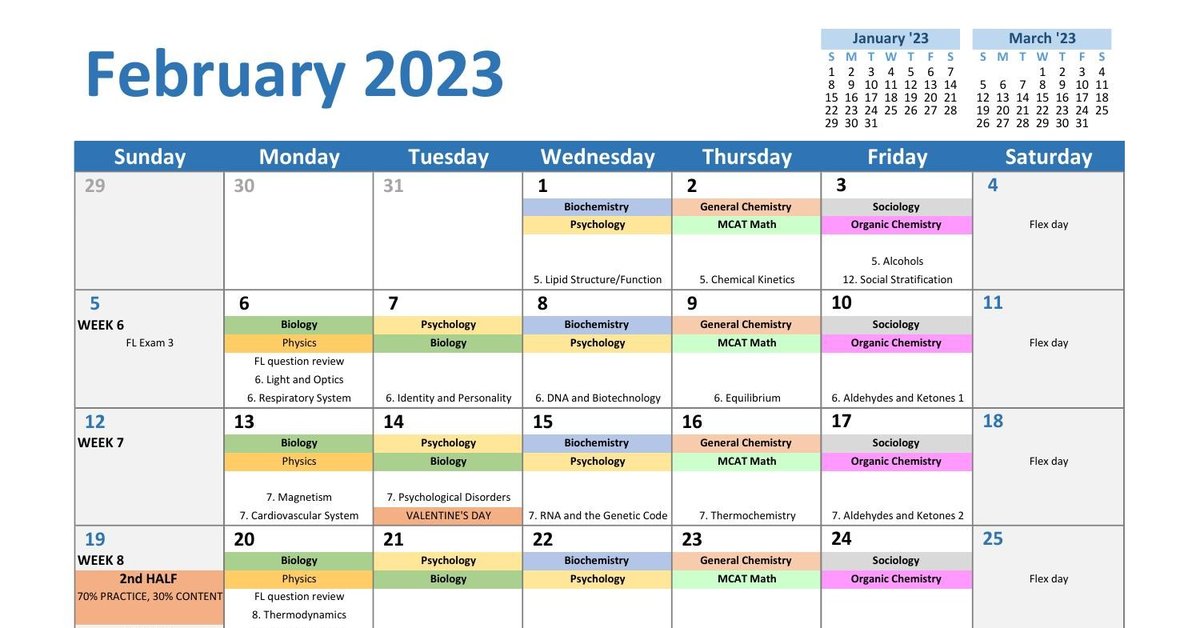
Navigating the vast sea of MCAT preparation can feel like deciphering an ancient medical text – complex, dense, and full of critical information you absolutely need to retain. When it comes to tackling content, the perennial question arises: how do you truly learn and remember everything for test day? This often boils down to a fundamental choice between leveraging modern tools like AnkiHub vs. other MCAT study platforms and traditional methods of learning.
This isn't about finding a single magic bullet, but rather understanding how each approach fits into a holistic, high-yield study strategy. Let's cut through the noise and figure out what truly works.
At a Glance: Your MCAT Study Strategy Cheat Sheet
- Anki & Spaced Repetition: Scientifically proven for long-term recall. Best for high-yield facts (e.g., biochem pathways, pharmacology). Requires consistent daily effort.
- AnkiHub & The AnKing MCAT Deck: A collaborative, community-updated Anki deck that centralizes content from top MCAT resources. Ideal for students with 4-6+ months of study time who are comfortable with Anki.
- Traditional Methods (Lectures, Notes, Reading): Crucial for initial understanding, conceptual learning, and building critical thinking skills. Poor for long-term retention if not paired with active recall.
- Other MCAT Platforms (Q-banks, Courses): Essential for practice, application, and identifying weak areas. They complement, not replace, Anki and foundational learning.
- The Optimal Strategy: Integrate traditional methods for conceptual mastery, Anki for factual retention, and question banks/full-lengths for application and critical thinking. No single tool is sufficient on its own.
The MCAT Study Maze: Why Your Method Matters
The MCAT isn't just a test of what you know; it's a test of what you remember and how you apply that knowledge under pressure. With an intimidating volume of material spanning biology, chemistry, physics, psychology, and sociology, rote memorization alone won't cut it. You need to understand concepts deeply, recognize patterns, and recall discrete facts efficiently.
Many students fall into the trap of passive learning: rereading textbooks, highlighting notes, or watching endless lectures. While these activities feel productive, they often create an illusion of competence. Without active recall and spaced repetition, much of that information fades rapidly, leaving you scrambling when exam day arrives. This is where the strategic choice of study methods becomes paramount.
Traditional MCAT Study: The Foundation (and Its Limits)
Let's start with the familiar. "Traditional" studying often involves methods you've used since high school or college:
- Rereading textbooks and notes: Going over material repeatedly.
- Outlining and summarizing: Condensing information into structured formats.
- Highlighting and annotating: Marking key points in texts.
- Attending lectures or watching content videos: Passive reception of information.
- Creating mind maps or concept maps: Visualizing relationships between ideas.
The Upsides:
Traditional methods are excellent for establishing initial understanding and deep comprehension. When you actively outline a chapter or synthesize lecture notes, you're engaging with the material at a conceptual level. This process helps you build mental frameworks, identify overarching themes, and connect disparate ideas, which is vital for the MCAT's passage-based questions that demand critical thinking and inference. They offer flexibility, allowing you to tailor your approach to complex topics that might require more visual or textual explanation.
The Downsides:
The significant drawback? Poor long-term retention if not combined with active recall. Rereading and highlighting are largely passive activities. They don't force your brain to retrieve information from scratch, which is the process that actually strengthens memory traces. Without a built-in system for review frequency, you're left guessing when and what to revisit, leading to inefficient study habits and forgotten material. You might feel like you understand something in the moment, but that understanding often evaporates days or weeks later without reinforcement.
Enter Spaced Repetition: The Anki Advantage
This is where Anki, a free, open-source flashcard application, steps in. Anki is powered by spaced repetition, an evidence-based learning technique rooted in cognitive science. Instead of reviewing everything constantly, Anki's algorithm determines the optimal time to show you a flashcard again, based on how well you remembered it last time.
The Cognitive Science Behind It:
Spaced repetition leverages the "spacing effect" and "testing effect." The spacing effect suggests that learning is more effective when study sessions are spaced out over time, rather than crammed into a single block. The testing effect demonstrates that actively retrieving information from memory (i.e., testing yourself) strengthens long-term retention more effectively than simply rereading it. Anki intelligently schedules reviews just as you're about to forget, maximizing retention with minimal effort.
Benefits of Anki for the MCAT:
- Exceptional for Long-Term Recall: Anki is unparalleled for cementing high-yield facts, discrete pieces of information, and intricate pathways (think amino acids, metabolic pathways, enzyme functions, pharmacology side effects, psychological theories).
- Promotes Daily Consistency: Its daily review queue encourages a habit of consistent engagement with the material, breaking down the overwhelming MCAT content into manageable chunks.
- Active Recall Focus: Every Anki card is a mini-test, forcing you to actively retrieve information, which is far more effective than passive review.
- Personalized Learning: The algorithm adapts to your performance, showing you difficult cards more frequently and easy cards less often.
Potential Pitfalls: - Time-Consuming Card Creation: If you create all your own cards, it can be a massive time sink. This is where pre-made decks become incredibly valuable.
- Risk of Passive Clicking: It's easy to get into a rhythm of mindlessly clicking through cards without truly engaging, especially if cards are poorly made or too simple. Intentional, active recall for each card is crucial.
- Doesn't Inherently Teach Big Picture: While great for facts, Anki alone doesn't build conceptual understanding or connect ideas unless cards are designed to do so with context, diagrams, or conceptual links. It's a retention tool, not a primary teaching tool.
AnkiHub and The AnKing MCAT Deck: Your Collaborative Content Backbone
If you're considering Anki for the MCAT, you'll inevitably encounter AnkiHub and the AnKing MCAT Deck. This combination represents a significant evolution in MCAT Anki usage.
What AnkiHub Is:
AnkiHub is a platform designed to host and sync collaborative Anki decks. Think of it as GitHub for Anki. It allows multiple contributors to work on a single "master" deck, ensuring that users always have the most up-to-date and refined version. When you subscribe to a deck on AnkiHub, any updates, corrections, or additions made by the community are seamlessly pushed to your personal deck, while still preserving your individual study progress and custom edits.
The AnKing MCAT Deck Explained:
The AnKing MCAT Deck, hosted on AnkiHub, is arguably the most comprehensive and well-maintained pre-made MCAT Anki deck available. It's not a single author's creation but a composite deck, meticulously built by integrating, cleaning, retagging, and organizing content from several popular prior MCAT Anki decks, including MilesDown, Abdullah, Coffin, and MrPankow. This collaborative effort means it covers a vast majority of tested MCAT content, from discrete facts to complex processes.
How to Get Started:
To use the AnKing MCAT Deck via AnkiHub:
- Get a Free Anki Account: This is for syncing your personal deck data across devices.
- Download the Anki Desktop App: The full-featured Anki experience is best on desktop.
- Create an AnkiHub Account: This is how you subscribe to the AnKing MCAT Deck and receive continuous updates.
The beauty of AnkiHub is that it allows you to maintain your unique learning journey (your card progress, any personal notes you add) while staying synchronized with the community's improvements to the master deck.
Who the AnKing MCAT Deck is Ideal For:
- Students seeking a primary content retention tool: It covers nearly all high-yield material.
- Those comfortable with Anki and community deck mechanics: There's a slight learning curve to Anki itself.
- Individuals with a longer MCAT timeline (4–6+ months): This allows ample time to get through new cards and maintain reviews without feeling overwhelmed.
- Learners who thrive on highly organized systems: The AnKing deck is well-tagged and structured for easy navigation.
- For those pondering the specifics, you might wonder is AnkiHub worth it for MCAT?. The answer often hinges on how much you value continuous updates and community collaboration in your study tools.
Who it Might Be Overwhelming For: - Students close to test day (less than 3 months): Starting a massive deck like AnKing late in the game can be counterproductive due to the sheer volume of new cards.
- Brand new to Anki: The learning curve for Anki combined with a huge deck might be too steep initially.
Integrating AnkiHub into Your MCAT Workflow
The AnKing MCAT Deck is powerful, but it’s a tool, not a tutor. It needs to be integrated strategically:
- Your Primary Content Retention Tool: Use it to cement facts and processes after initial learning.
- Unsuspend Cards by Topic: Don't just unsuspend everything at once. Align your Anki with your content review schedule. As you finish a chapter in a textbook or a set of videos on a topic (e.g., "Enzymes," "Kidney Physiology"), unsuspend the corresponding Anki cards for that topic. This ensures you have the conceptual foundation before moving to factual recall.
- Integrate with Q-banks and Full-Length Exams: This is non-negotiable. Anki solidifies facts, but passages, practice exams, and good review habits are essential for score improvement.
- Question Banks (UWorld, AAMC Section Banks): Apply your knowledge to challenging problems. Review explanations thoroughly, and consider making new Anki cards for concepts you consistently miss or find confusing, even if they're not in the AnKing deck.
- Full-Length Exams: Simulate test day, build stamina, and diagnose weaknesses. Use a full-length tracker to identify recurring content gaps, and then use Anki (and content review) to reinforce those areas.
- Weekly Time Planner: Balance content review, Anki, and practice questions to avoid relying solely on one method.
- Strategic New Card Additions: For the final 4–6 weeks before the exam, cease aggressive new card additions. At this stage, your focus should shift to crushing existing reviews, mastering practice questions, and analyzing full-length exams. Overwhelming yourself with new material too close to the exam can hinder retention of what you’ve already learned.
Other MCAT Study Platforms: Beyond AnkiHub
While AnkiHub excels at content retention, it doesn't replace other critical study components. "Other MCAT study platforms" typically refer to:
- Content Review Courses (Kaplan, Princeton Review, Blueprint): These provide structured content lectures, textbooks, and often practice questions. They are excellent for foundational learning, especially if you need a guided approach to comprehensive content review.
- Question Banks (UWorld, AAMC): These are arguably the most important component of MCAT prep. UWorld offers high-quality practice questions with detailed explanations, while the AAMC materials (Question Packs, Section Banks, Official Practice Exams) are indispensable because they come directly from the test-makers. These platforms teach you how to apply knowledge, interpret experimental data, and reason through complex scenarios – skills Anki doesn't directly develop.
- Flashcard Apps (Quizlet, Memorang): While offering flashcard functionality, they generally lack the sophisticated spaced repetition algorithm of Anki, making them less effective for long-term retention. AnkiHub's collaborative deck also sets it apart from simple flashcard creation tools.
These platforms aren't in competition with AnkiHub; they are complementary. Think of it this way: - Content Review Course/Textbook: Builds the house (initial understanding).
- AnkiHub/AnKing Deck: Paints the house and regularly touches up the paint (long-term factual retention).
- Question Banks/Full-Length Exams: Stress-tests the house against earthquakes and windstorms (application, critical thinking, identifying structural weaknesses).
You need all three to build a robust, resilient MCAT score.
Decision Time: Choosing Your MCAT Study Strategy
So, how do you decide which approach, or combination of approaches, is right for you? Consider these factors:
- Your Timeline:
- Longer (4-6+ months): Ideal for integrating AnkiHub from the start. You have the time to learn Anki, get through the AnKing deck, and consolidate reviews.
- Mid-range (3-4 months): Still feasible for AnkiHub, but you'll need to be disciplined and focused on catching up if you start late. Prioritize high-yield sections.
- Short (less than 3 months): May be too late for a massive deck like AnKing. Focus on targeted Anki use (e.g., cards for weak areas identified by Q-banks) and heavy practice questions.
- Your Learning Style:
- Visual Learners: Anki cards with diagrams can be highly effective. Traditional methods like concept mapping also shine.
- Auditory Learners: Lectures and explaining concepts aloud will be key. Anki can reinforce after listening.
- Kinesthetic/Active Learners: Anki's active recall is a great fit. Q-banks are essential for hands-on application.
- Comfort with Technology: Anki has a slight learning curve. If you're tech-averse, be prepared to invest some time in learning the software itself. AnkiHub simplifies deck management but still requires basic Anki proficiency.
- Budget: Anki is free. AnkiHub has a paid subscription for premium features, but the core syncing functionality for community decks is often accessible. Commercial content courses and Q-banks are significant investments. Prioritize AAMC materials and a good third-party Q-bank first.
Mini-Scenarios:
- The Proactive Premed (6+ months out): Start with comprehensive content review (course or books). As you finish each topic, unsuspend the corresponding AnKing MCAT cards on AnkiHub. Supplement heavily with UWorld questions and eventually AAMC materials.
- The Efficiency Seeker (4 months out): Dive into content review, but immediately integrate AnkiHub/AnKing for daily retention. Use UWorld questions concurrently to apply concepts and identify weak points. Focus on quantity and quality of practice.
- The Late Starter (2-3 months out): Prioritize AAMC materials and UWorld. Create custom Anki cards for only your high-yield weaknesses identified by practice questions. Don't attempt to get through the entire AnKing deck.
Common Questions & MCAT Study Misconceptions
Let's clear up some lingering doubts:
- "Can I just use Anki (or AnkiHub) to study for the MCAT?"
Absolutely not. Anki is a powerful retention tool. It helps you recall facts. It does not teach complex concepts, develop critical thinking for passages, or simulate the test-taking experience. You need comprehensive content review, practice questions, and full-length exams. - "Is it too late to start Anki/AnkiHub?"
It depends on your timeline. If you have 4+ months, yes, start. If you have 2-3 months, you might still benefit from targeted Anki use for high-yield topics or specific weaknesses. Less than 2 months? It's likely too late to get significant benefit from a massive deck; focus on practice questions and AAMC materials. - "Does Anki replace content review?"
No. Anki reinforces content review. You should learn a concept first (from a textbook, lecture, or video) and then use Anki to cement the facts and processes associated with that concept. Trying to learn new information solely from Anki cards can lead to fragmented understanding. - "Do I need to make my own Anki cards?"
Not necessarily, especially with the AnKing MCAT Deck available via AnkiHub. This pre-made deck covers most content. However, making a few custom cards for very specific concepts you struggle with, or for insights gained from question explanations, can be highly effective.
Crafting Your Personalized MCAT Powerhouse Plan
The ultimate MCAT study plan is one that is personalized, integrated, and adaptable. No single platform or method holds all the answers.
- Build a Strong Foundation: Begin with thorough content review using methods that work for your learning style – whether it's textbooks, online courses, or a combination. Focus on deep understanding, not just surface-level memorization.
- Solidify with Spaced Repetition: As you complete content topics, immediately integrate AnkiHub and the AnKing MCAT Deck to lock in discrete facts and processes for long-term recall. Make this a consistent daily habit.
- Apply and Refine with Practice: Dedicate significant time to practice questions from UWorld and, most importantly, AAMC materials. This is where you learn to apply your knowledge, develop critical thinking skills, and identify your true weaknesses.
- Simulate and Strategize: Regularly take full-length practice exams under timed conditions. Use these as diagnostic tools to refine your test-taking strategy, manage timing, and pinpoint content gaps that need revisiting (either through content review or Anki).
The MCAT is a marathon, not a sprint. By strategically combining the deep conceptual understanding fostered by traditional methods, the long-term retention powered by AnkiHub, and the critical application honed by other MCAT study platforms like question banks, you'll be well-equipped to conquer the exam and move confidently towards your medical school aspirations.